Signs Wildlife Has Moved Into Your Attic, Walls, or Crawl Space
If you notice signs wildlife has moved into your attic, walls, or crawl space, local service providers can identify the problem and safely remove the animals.
Discovering signs that wildlife has moved into your attic, walls, or crawl space can be unsettling for property owners. Recognizing the early indicators-such as unusual noises, droppings, or damage-can help prevent further issues and protect the integrity of your home. Many property owners in the area find it practical to explore this topic because identifying these signs early often leads to more effective removal and prevention strategies. Local service providers experienced in wildlife removal can assist in safely addressing these intrusions, helping to restore peace and safety within your home.
If you notice odd sounds, foul odors, or evidence of nesting, it may be time to consider whether wildlife has taken up residence. Understanding what to look for can empower property owners to take proactive steps before the situation worsens. Connecting with trusted local contractors who specialize in wildlife removal ensures that any animals are handled humanely and that entry points are properly sealed. Keeping informed about the signs of wildlife intrusion is a valuable step in maintaining a secure and comfortable living space.
- Attic wildlife intrusion - when signs wildlife has moved into your attic, local contractors can assess entry points and safely remove animals.
- Wall cavity activity - if you notice scratching or droppings inside walls, service providers can identify and eliminate the wildlife presence.
- Crawl space disturbances - signs wildlife has moved into your crawl space prompt experts to seal gaps and remove any animals safely.
- Unusual noises at night - hearing sounds in your walls or attic indicates wildlife activity that local specialists can address effectively.
- Odors or droppings - persistent smells or droppings in your home suggest wildlife has moved into hidden spaces, and local pros can handle the cleanup and removal.
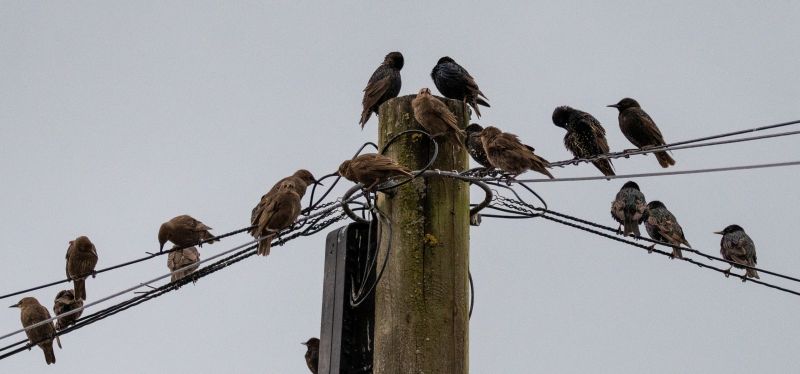
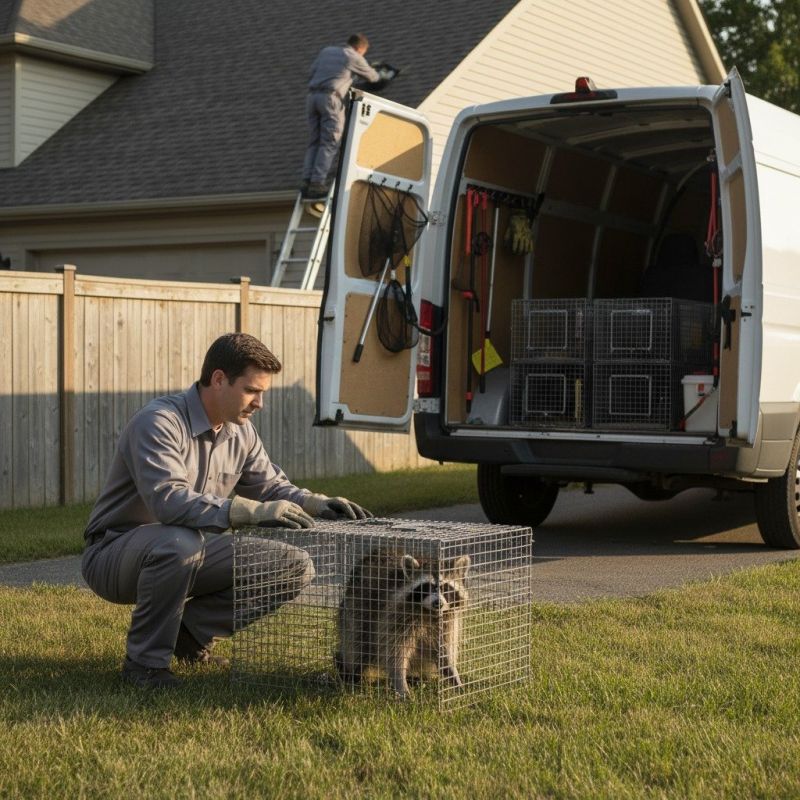
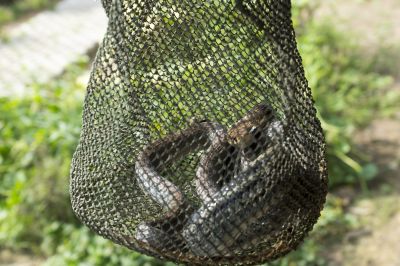
When homeowners notice unusual sounds or disturbances in their homes, they often search for signs wildlife has moved into your attic, walls, or crawl space. These signs typically include scratching noises, scurrying sounds, or the presence of droppings and nesting materials in hidden areas. Such indicators suggest that animals like raccoons, squirrels, bats, or rodents have found entry points and established a habitat within the building's concealed spaces. Recognizing these early signs is important because wildlife can cause significant property damage, create health hazards, and even compromise structural integrity if left unaddressed.
This issue often relates to property owners planning to address pest problems or prevent future damage. Wildlife that takes up residence in attics, walls, or crawl spaces can lead to costly repairs, such as insulation damage, wiring chews, or compromised ventilation systems. Many homeowners seek out professional wildlife removal services to safely and humanely remove the animals and restore their home’s safety. These professionals can also identify and seal entry points to prevent re-entry, making sure the property remains protected after the wildlife has been removed. Addressing these signs promptly can save homeowners from more extensive repairs and ongoing issues.
Properties most commonly affected by wildlife intrusions tend to be older homes or structures with accessible gaps and openings. Attics are a frequent target because they provide quiet, undisturbed spaces for animals to settle in. Walls and crawl spaces are also common sites, especially in homes with poorly sealed foundations or damaged roofing. Rural properties, farms, and homes near wooded areas are particularly vulnerable, as they are more accessible to wildlife seeking shelter and food. Recognizing the types of properties at risk helps homeowners understand the importance of regular inspections and timely intervention when signs of intrusion appear.
Local wildlife removal service providers play a crucial role in addressing these issues. They specialize in identifying the signs that wildlife has moved into your attic, walls, or crawl space and can perform humane removal and exclusion procedures. These experts understand the behavior of different animal species and know how to handle each situation effectively. Whether it involves trapping, sealing entry points, or cleaning up after an infestation, professional service providers help ensure the problem is resolved safely and thoroughly. Connecting with experienced local contractors can make a significant difference in restoring safety and comfort to a home affected by wildlife intrusions.
Attic insulation installation - local contractors often handle insulation projects that require careful inspection and planning, similar to identifying signs wildlife has moved into your attic, walls, or crawl space.
Pest-proofing services - these projects involve sealing entry points and preventing animal access, directly related to wildlife removal efforts in overlooked spaces.
Structural damage repairs - repairing damage caused by wildlife intrusion, such as chewed wiring or compromised framing, shares skills with assessing signs of animal activity in hidden areas.
Ventilation system upgrades - improving attic and crawl space ventilation can help deter wildlife, aligning with the need to address signs of animal presence and prevent future issues.
Mold and moisture remediation - wildlife often brings moisture and debris, making mold removal and moisture control projects relevant to addressing damage caused by animals in concealed spaces.
Crawl space encapsulation - sealing and insulating crawl spaces to prevent animal entry involves planning and execution similar to wildlife exclusion and removal services.
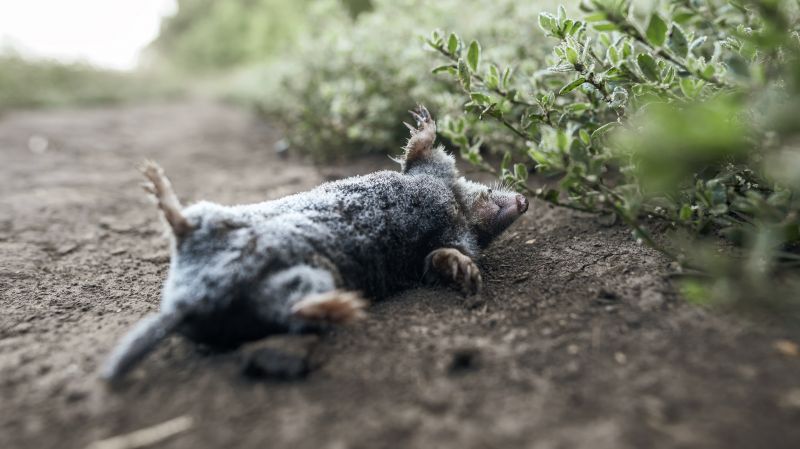
When comparing wildlife removal services, it’s important to consider the experience of local contractors with similar projects. A provider who has handled cases involving wildlife in attics, walls, or crawl spaces can better understand the unique challenges these situations present. Experience often translates into more effective removal strategies, minimized disruption, and fewer repeat visits. Homeowners should inquire about how long a service provider has been working on wildlife removal and whether they have dealt with the specific type of wildlife suspected to be in the property. This background can help ensure that the chosen contractor is familiar with the behaviors and habits of local wildlife, leading to a smoother and more successful removal process.
Clear written expectations are essential when selecting a wildlife removal service. Homeowners should seek providers who can offer detailed descriptions of the services included, such as inspection, removal, and exclusion work. Understanding what to expect helps prevent misunderstandings and ensures that all aspects of the job are addressed comprehensively. It’s also helpful to review any written estimates or scope of work to confirm that the removal process will be thorough and tailored to the specific signs wildlife has moved into the attic, walls, or crawl space. Transparent communication about the steps involved and what homeowners should anticipate can foster confidence in the service provider’s professionalism.
Reputable references and good communication are key indicators of a reliable wildlife removal contractor. When evaluating local service providers, homeowners should ask for references from previous clients who had similar wildlife issues. Talking with past customers can provide insights into the contractor’s effectiveness, professionalism, and ability to follow through on commitments. Additionally, a service provider who maintains open and clear communication-responding promptly to questions and providing updates-can make the entire process less stressful. Choosing a contractor with a strong reputation and good communication practices can help ensure that wildlife removal is handled efficiently and with attention to the homeowner’s concerns.
Property owners often search for signs wildlife has moved into your attic, walls, or crawl space when they are planning practical projects around their homes and businesses. Local pros provide Wildlife Removal services for everyday jobs and straightforward project options.
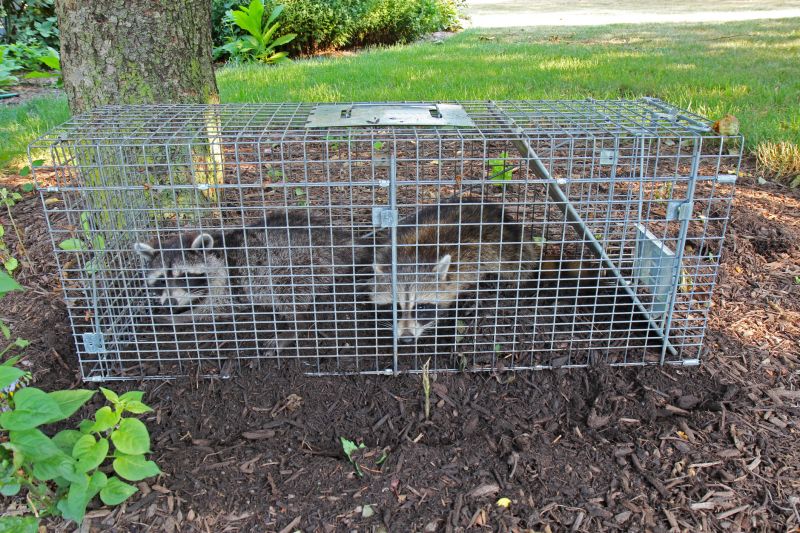
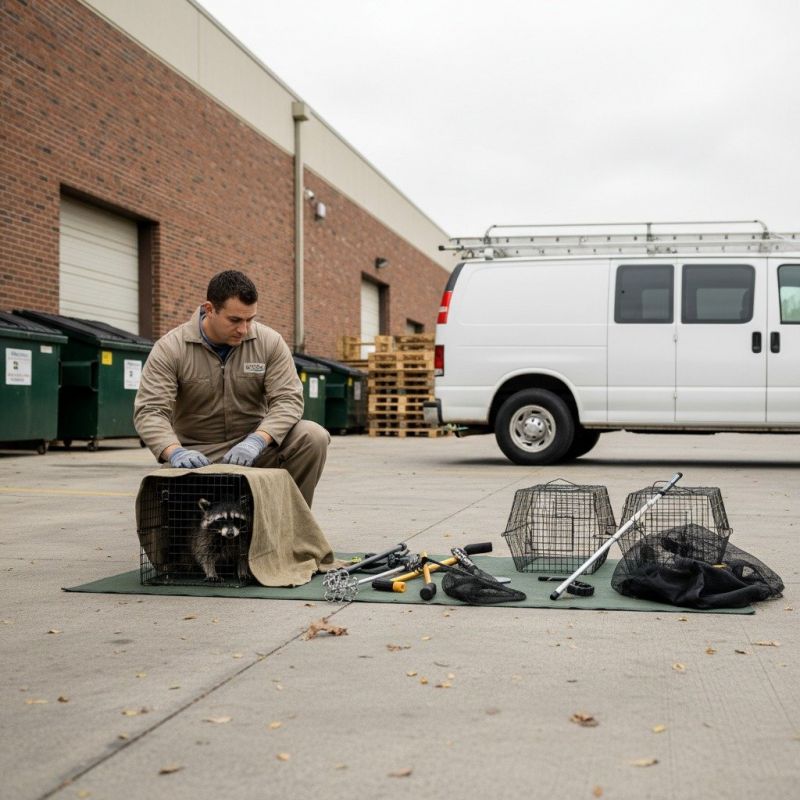
Recognizing signs wildlife has moved into your attic, walls, or crawl space is an important step in maintaining a safe and comfortable home. Common indicators include unusual noises such as scratching, scurrying, or squeaking, especially during evening hours. You might also notice droppings, shredded insulation, or nesting materials in hidden areas. Property owners often find these signs during routine inspections or when they start to experience strange odors or pest activity that can't be explained by typical insects or rodents.
When these signs appear, enlisting the help of local contractors who specialize in wildlife removal can be a practical solution. These service providers have the experience to identify the specific animals involved and safely remove them from the property. They can also help seal entry points and recommend steps to prevent future intrusions. Connecting with experienced wildlife removal professionals ensures that the job is handled effectively, reducing the risk of damage or health concerns associated with unwanted wildlife inside the home.
What are common signs wildlife has moved into your attic, walls, or crawl space? Unusual noises, such as scratching or scurrying sounds, along with droppings, nesting materials, or damaged insulation, can indicate wildlife presence. You might also notice an odor or evidence of chewed wiring or wood. These signs often prompt the need for professional wildlife removal services.
How can I confirm if animals are living inside my walls or attic? Visible entry points, such as holes or gaps, along with sightings of animals or their droppings, are clear indicators. Additionally, sounds during evening or early morning hours suggest active wildlife. Local contractors can assess these signs to confirm an infestation.
Why is it important to address signs of wildlife in my home promptly? Ignoring these signs can lead to property damage, health risks from droppings or parasites, and increased animal activity. Professional wildlife removal services can safely and effectively handle the situation to prevent further issues.
What types of wildlife are commonly found in attics, walls, or crawl spaces? Raccoons, squirrels, bats, mice, and raccoons are typical culprits. Each type may leave distinct signs, and experienced service providers can identify the specific animals involved to determine the appropriate removal method.
How do wildlife removal services handle animals that have moved into a home? Local contractors typically perform humane removal, seal entry points, and clean affected areas. They ensure animals are safely removed and prevent future intrusions, helping to restore safety and comfort to the home environment.
Identify unusual sounds - listening for scratching, scurrying, or thumping noises can alert property owners to wildlife presence in their attic, walls, or crawl space, prompting them to seek professional removal services.
Check for droppings and damage - spotting droppings, chewed materials, or nesting debris can indicate wildlife activity, encouraging property owners to connect with local contractors for humane removal.
Look for entry points - inspecting roof vents, soffits, or foundation cracks can reveal how wildlife is gaining access, leading to planning for sealing and removal with expert help.
Monitor for odors or strange smells - persistent musty or ammonia-like odors may suggest wildlife has moved into hidden spaces, prompting property owners to consult service providers for cleanup and exclusion.
If you are thinking about signs wildlife has moved into your attic, walls, or crawl space for a property, this guide is meant to help you understand this topic, the typical project types, and how different options might fit your plans.
When you are ready, you can use the quote form on this page to share a few details about your project. From there, local pros can review the basics and follow up with options that match what you have in mind.